Oct 6, 2026Buying Guides
How to Choose High-Quality Natural Hair & Custom Makeup Brushes
This article introduces the history, types, characteristics, and key considerations regarding animal-hair makeup brushes, as well as how buyers can choose them.
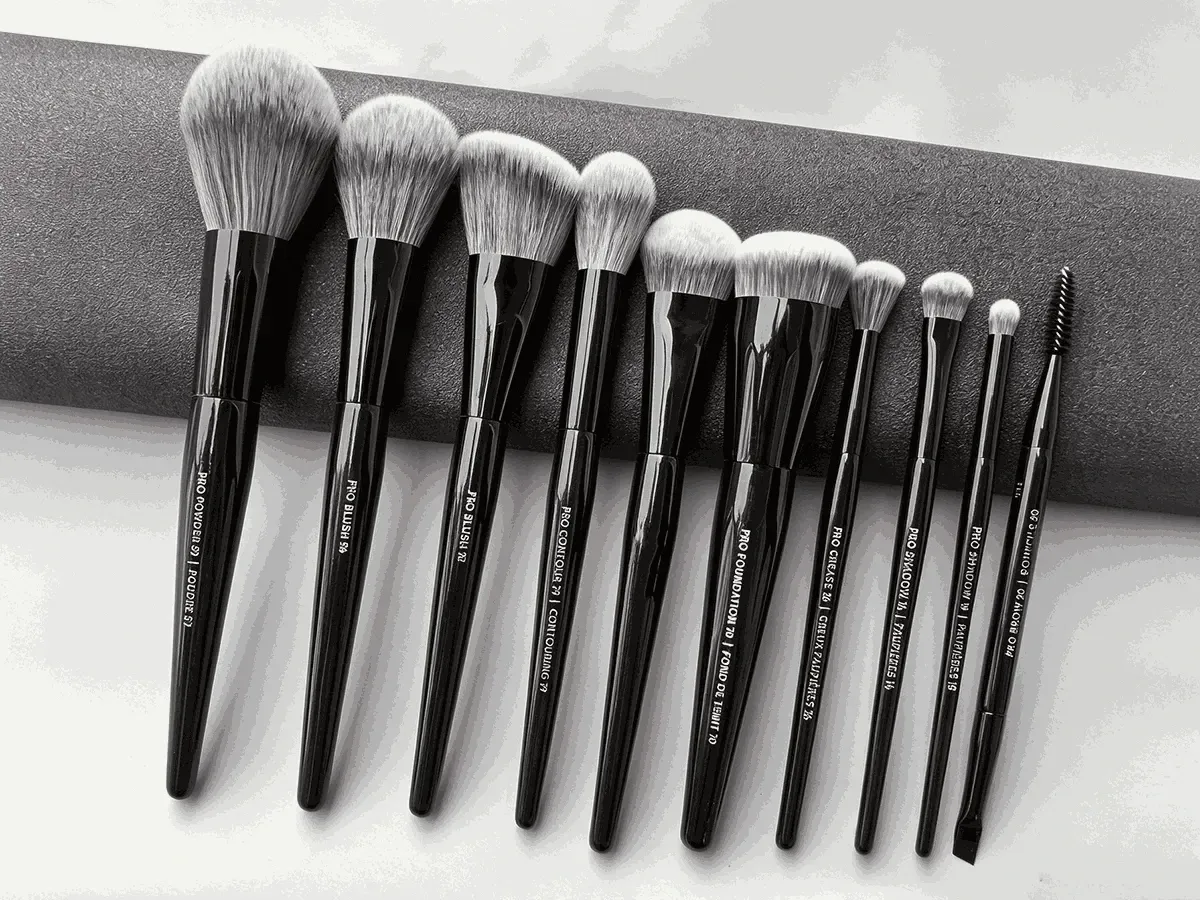
In the realm of makeup tools, brushes made from natural animal hair have long held a significant place. Whether it is the delicate softness of gray squirrel hair, the resilient spring of yellow wolf hair, or the skin-friendly, powder-gripping nature of goat hair, these materials offer unique cuticle structures and natural tips—qualities difficult for synthetic fibers to replicate—that ensure makeup applies more smoothly and evenly. However, the market is flooded with a vast array of animal hair brushes; prices range from tens to thousands of yuan, and quality varies wildly. Faced with a barrage of marketing claims, many makeup enthusiasts often feel overwhelmed, fearing that a hefty price tag might still result in an inferior product—one that sheds excessively or feels scratchy and uncomfortable against the skin. In reality, selecting a truly high-quality animal hair brush requires more than just looking at the price or brand; it demands a comprehensive assessment based on factors such as hair type characteristics, the integrity of the hair tips, brush shape design, and craftsmanship. Let us now explore the art of evaluating animal hair brushes and master the selection secrets known only to the experts.
1.The history of the use of animal hair in makeup brushes
As a specialized tool for makeup application, the makeup brush has a distinct historical origin that can be traced back to 17th-century Japan. At that time, it appeared as a small wooden cylinder topped with exceptionally fine, soft goat hair, designed for applying rice powder. For centuries, the production of makeup brushes remained an entirely manual process. Artisans had to manually arrange the bristles, bind the brush heads, and trim the shapes; the natural variations in animal hair and the evolving demands for specific brush shapes made it difficult for machines to replicate the precision with which human hands handled individual bristle tips. Germany and Japan maintained a culture of small-scale, high-end brush making—regarded as a master craft catering to the most discerning luxury clientele. This landscape underwent a dramatic shift in the latter half of the 20th century. Starting in the late 1970s with the processing of "goat tail hair," China gradually developed a comprehensive makeup brush industry chain. Entering the 21st century, however, animal-hair makeup brushes faced unprecedented challenges. On one hand, rising awareness regarding animal welfare led an increasing number of consumers to resist products made from animal hair. On the other hand, as a natural material, animal hair possesses inherent limitations, such as inconsistent quality, low durability, and declining supplies of premium-grade hair. Nevertheless, the unique hollow structure and natural tips of animal hair provide advantages in terms of softness and product adherence that remain virtually irreplaceable—which explains why 95% of loose powder brushes worldwide are still made from animal hair today.
2.Types and characteristics of animal hair
(1) Goat Hair: The most common animal hair material; it is soft and durable. It is voluminous, feels gentle and springy, holds powder well, and offers great value for money. However, quality varies significantly; low-grade goat hair has uneven tips and can feel scratchy. It is suitable for various face brushes, such as loose powder, blush, contour, and eyeshadow brushes.
(2) Gray Squirrel Hair: Features extremely fine roots and straight, fine tips with a natural sheen. It is incredibly soft—feeling like a gentle breeze on the skin—and offers a lightweight, natural finish with excellent skin compatibility. However, it lacks elasticity, making it difficult to create dense brush shapes; the bristles tend to splay, and the material is expensive. It is suitable for loose powder, blush, and shading brushes.
(3) Squirrel Hair: Smooth and soft, non-irritating to the skin. It feels very soft and holds powder well but deposits color lightly; it blends beautifully, creating a sheer, translucent finish. However, the roots are relatively thick and the bristles lack density, making it hard to create large brush heads; elasticity is average. It is suitable for small contour brushes, targeted highlighting brushes, and loose powder brushes.
(4) Yellow Weasel Hair (Mink Hair): Sourced from the tip of the yellow weasel's tail; features extremely fine roots, straight and pointed tips, and a natural hollow structure. It balances softness with elasticity, excels at picking up and holding powder, allows for precise application, and minimizes product waste. However, it is expensive (unit price is about 4–5 times that of gray squirrel hair) and the bristles are short, so it is typically used only for eye and detail brushes (eyeshadow, eyeliner, contour, and highlighter brushes).
(5) Horse Hair/Pony Hair: Offers good softness but slightly less elasticity; pony hair is softer and more elastic than standard horse hair. It provides even powder pickup and color deposition with strong adhesion, allowing for natural blending during contouring and creating soft, diffused effects rather than harsh lines. However, pure horsehair is relatively stiff and usually needs to be blended with other types of hair; black horsehair is rare. Horsehair is suitable for eyeshadow brushes, targeted highlighting brushes, and blush brushes.
(6) Badger hair: The hairs are round and straight with excellent elasticity and superior powder pickup. It performs exceptionally well at filling in color and defining brow shapes, making it particularly suitable for creating soft, "misty" brows. However, badger hair feels somewhat stiff, so it is not recommended for sensitive areas like the eyelids. It is suitable for angled eyebrow brushes.
(7) Boar bristle: The stiffest type of animal hair; the strands are uniform and tough, resistant to deformation, and offer strong structural support—ideal for brush types that require precise pressure control. However, the texture is stiff and rough, with poor elasticity. Boar bristles are suitable for eyebrow brushes and brow combs.
(8) Raccoon dog hair: Long, fine, and dense, with a relatively soft texture. It is voluminous and fluffy, making it suitable for light, sweeping motions over large areas. It is primarily used for fan-shaped finishing brushes (for removing excess powder) and has a limited range of functions.
3.What should be kept in mind when using makeup brushes made of animal hair?
Natural animal hair is composed of keratin and, like human hair, features cuticles; improper cleaning and storage are the primary reasons for a brush's short lifespan.
(1) Choose the right cleanser and control washing frequency
Selecting the right cleanser is crucial. Always use a specialized, mildly acidic brush cleanser or a gentle baby shampoo. Strictly avoid alkaline products such as dish soap, bar soap, or laundry detergent; these instantly strip away the hair's natural oils, preventing the cuticles from closing and leaving the bristles dry, frizzy, and unable to pick up powder effectively. Alcohol-based cleansers should also be avoided.
Keep washing frequency low. After daily use, simply wipe the brush gently with a tissue in the direction of the bristles to remove surface powder. Deep washing is recommended no more than once a month; excessive cleaning accelerates the loss of natural oils.
Use a gentle washing technique. Water temperature should be room temperature or slightly cool; hot water causes protein denaturation and damages the bristles. Lather the cleanser in your palm, then gently swirl the brush head against your palm in the direction of the bristles. Never scrub vigorously in the opposite direction, as this can cause permanent tangling of the bristle tips. Do not submerge the entire brush in water, and—crucially—do not let water reach the junction where the handle meets the bristles (the ferrule); otherwise, the adhesive may dissolve, leading to severe shedding.
(2) Absorb water, reshape, and air-dry in the shade
This is the step where mistakes most often occur, and it directly determines whether the brush will develop mold or lose its shape.
Absorb water first: After washing, use a clean towel or microfiber cloth to gently press and roll the bristles, removing excess moisture. Be especially gentle with animal hair.
Reshape: While the bristles are still semi-dry, use your fingers to smooth them back into their original, fluffy shape. This is not merely for aesthetics; it creates gaps between the bristles to improve airflow, as trapped moisture inside is otherwise difficult to evaporate. Final drying: Air-dry in the shade. Lay the brush flat in a well-ventilated area or hang it with the bristles facing downward. Never stand the brush upright in a cup with the bristles facing up to dry; moisture can flow back into the handle, dissolving the adhesive and causing the wooden handle to crack or grow mold. Do not use a hair dryer; the hot air can cause the bristles to splay out or even force water into the handle, leading to cracking and the loosening of the adhesive.
(3) Storage: Protect from dust, pressure, and moisture
Cleaned brushes should be stored in a lidded container or drawer that is protected from light and dust. Ensure the bristles are not compressed or bent during storage, as this can deform or even break them. If storing brushes in a holder, it is best to use a cover to keep out dust.
In humid environments, natural hair brushes are far more sensitive to moisture than synthetic ones. Always ensure brushes are completely dry before storing them. Highly absorbent hair types—such as gray squirrel—are prone to mold growth at the base if stored while still damp; this leads to a loss of brush shape and reduced powder pickup. It is recommended to store natural hair brushes separately from synthetic ones, as natural hair requires a drier environment.
4.How to Select High-Quality Natural Hair Makeup Brushes
The key to selecting high-quality animal-hair makeup brushes is to first clarify their intended use. The value of these brushes lies in their ability to pick up product, blend seamlessly, and feel comfortable against the skin—but this depends on securing genuine, high-quality hair and superior craftsmanship.
(1) Match the hair type to the intended use; do not simply chase high prices
There is no single "best" type of animal hair; there is only the type best suited to the specific area of the face and the desired makeup finish. First, determine whether you need a loose powder brush, an eyeshadow brush, or a contour brush, and then select the appropriate hair type.
For instance, goat hair or gray squirrel hair is ideal for loose powder, blush, and contouring; goat hair offers excellent product pickup and great value, while gray squirrel hair is exceptionally soft, creating a light, natural finish. Kolinsky sable (often referred to as "mink" or "weasel" hair) is the top choice for eyeshadow base application and blending, as it balances softness with elasticity and allows for precise color pickup—qualities recognized by professional makeup artists. Squirrel hair or pony hair is preferred for detailed work like nose contouring or highlighting; squirrel hair feels silky and sheer, while pony hair is soft and ensures even color application. Badger hair or boar bristle is best for eyebrow brushes, as defining the brow shape requires a certain level of stiffness and structural support—qualities that soft hairs lack.
(2) Evaluate hair quality by touch, focusing on the "hair tip"
The "tip" refers to the naturally tapered, semi-transparent end of the bristle; this is the physical feature responsible for the hair's ability to pick up product and feel soft against the skin. Generally, the longer and more intact the tip, the higher the quality of the hair.
If you are looking to source high-quality natural hair makeup brushes, please contact Zeming, a professional makeup brush manufacturer.