Oct 9, 2026Buying Guides
Makeup Brushes Manufacturer: Making Tools for Beauty Brand
This article provides a detailed analysis of the characteristics of high-quality makeup brush manufacturers and offers guidance on how to choose a manufacturer for makeup brush brands and buyers.
A high-quality makeup brush is the soul of a makeup look, and the manufacturer behind it is the key factor determining its quality. Understanding makeup brush manufacturers is crucial not only for product quality but also for brand reputation and market competitiveness. So, what qualities define a top-tier manufacturer, and how can you select the ideal partner? This article explores these core questions, guiding you through the process of evaluating and choosing the right makeup brush manufacturer.
1.Understanding the importance of makeup brush manufacturers
Manufacturers occupy a core position at the upstream end of the makeup brush industry chain. For brands, purchasers, and even consumers, understanding makeup brush manufacturers is not merely an optional step but a critical factor determining product quality, brand reputation, and long-term growth. This importance is reflected in the following aspects:
1.1 Ensuring product quality at the source
Makeup brushes consist of multiple components—such as bristles, ferrules, handles, and adhesives—where the choice of materials and manufacturing techniques directly impacts the user experience. Factors such as the type of bristles (natural hair vs. synthetic fiber), softness, powder pickup capability, ferrule durability, and the eco-friendliness and wash-resistance of the adhesive are all controlled by the manufacturer. Understanding the manufacturer allows one to assess whether they possess stable raw material sourcing channels and mature production processes, thereby ensuring quality control from the very beginning.
1.2 Safeguarding brand reputation and consumer trust
As makeup brushes come into direct contact with the skin, issues such as shedding, scratchiness, unpleasant odors, or glue failure can easily trigger consumer complaints. A lapse in quality compromises not just a single order, but the trust a brand has built over time. Gaining insight into a manufacturer’s quality control systems, inspection standards, and after-sales capabilities effectively establishes a line of defense for the brand's reputation.
1.3 Controlling costs and ensuring supply chain stability
A manufacturer's production capacity, lead-time management, minimum order quantities (MOQs), and cost structure directly influence a brand's inventory turnover and profit margins. A lack of understanding regarding actual production capacity and supply chain capabilities can lead to stockouts, delivery delays, or spiraling costs. Vetting manufacturers in advance helps strike a balance between quality and cost while fostering a stable supply relationship.
1.4 Mitigating compliance and safety risks
Makeup brushes are subject to various requirements regarding material safety, animal hair sourcing, environmental certifications, and export regulations. Standards for cosmetic tools vary across markets; if a manufacturer lacks the necessary qualifications and experience, the brand could face risks such as product delisting, fines, or even recalls. Verifying a manufacturer's certifications and compliance capabilities is a crucial step before entering the market.
1.5 Driving Product Innovation and Differentiation
Top-tier makeup brush manufacturers do more than simply manufacture according to blueprints; they actively participate in R&D processes such as brush shape design, material upgrades, and color scheme or packaging development. Assessing a manufacturer's innovation capabilities and experience with customization helps brands create distinctive products that stand out in the highly competitive beauty market.
1.6 Mitigating Long-Term Partnership Risks
A manufacturer's corporate philosophy, communication efficiency, management standards, and operational stability determine the viability of a long-term partnership. Choosing the wrong manufacturer can lead to issues such as inconsistent quality, high communication costs, and the need to frequently switch suppliers. Gaining a comprehensive understanding of the manufacturer paves the way for a successful, long-term collaboration.
2.Key characteristics of high-quality makeup brush manufacturers
If understanding manufacturers is the prerequisite for screening, then identifying high-quality manufacturers is the key to successful collaboration. Truly excellent makeup brush manufacturers do not succeed based on a single strength; rather, they demonstrate consistent performance across multiple dimensions, including raw materials, craftsmanship, quality control, R&D, delivery schedules, regulatory compliance, and service. Specifically, they typically exhibit the following key characteristics:
2.1 Strict control over raw materials and consistent bristle quality
Bristles are the core component of a makeup brush. High-quality manufacturers maintain clear standards regarding the source, grade, and performance of the bristles. For natural hair, they focus on the integrity of the bristle tips, ensure proper disinfection and degreasing, verify that softness and powder-pickup capabilities meet standards, and guarantee compliant sourcing. For synthetic fibers, they typically select high-quality PBT or nanofiber materials, requiring them to be soft and gentle on the skin, resilient, and resistant to deformation during washing. Simultaneously, they rigorously screen auxiliary materials—such as ferrules, handles, and adhesives—to prevent issues like unpleasant odors, adhesive failure, or excessive heavy metal content.
2.2 Mature craftsmanship combining manual skill with standardized processes
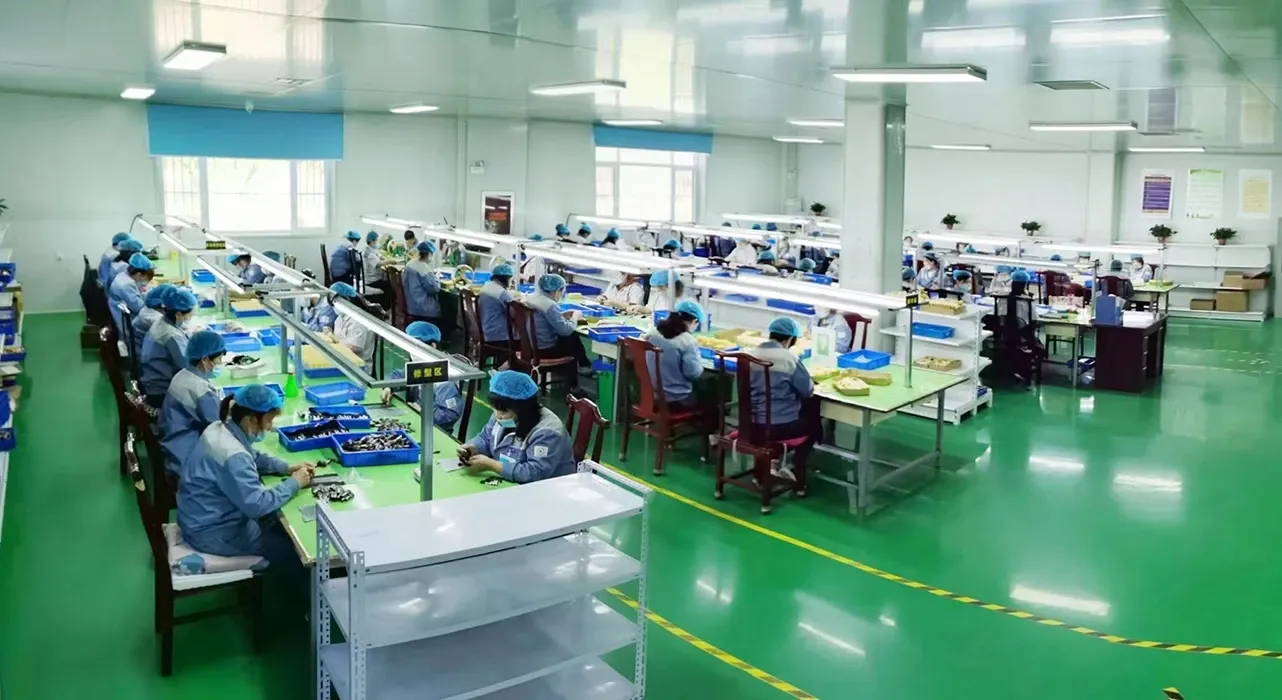
Makeup brush manufacturing involves both manual craftsmanship and standardized workflows. High-quality manufacturers employ experienced technicians and maintain standardized procedures for every step—from weighing, combing, bundling, inserting into the ferrule, crimping, and gluing to shaping and setting. Manual work ensures a natural brush shape and neat bristle tips, while standardization guarantees consistency across mass-produced batches. Such manufacturers produce brushes with secure bristles (minimizing shedding), tight ferrules, and smooth handles—details that stand up to close scrutiny.
2.3 Comprehensive quality control systems and clear testing standards
Top-tier makeup brush manufacturers do not rely solely on visual inspection to assess quality; instead, they establish a complete quality control system covering everything from incoming materials and production processes to finished products. Common tests include shedding, tensile strength, wash durability, odor, and bristle softness; products destined for export also undergo testing for heavy metals, allergens, and environmental compliance. Furthermore, they retain samples and maintain batch records to ensure traceability, allowing for rapid identification and resolution of issues should they arise.
2.4 Strong R&D and Customization Capabilities
Top-tier makeup brush manufacturers are not merely contract manufacturers but product development partners. They offer OEM, ODM, and even OBM services, recommending brush shapes, materials, color schemes, ferrules, and packaging solutions tailored to a brand's positioning. They excel in rapid prototyping and flexible modification, developing specialized, entry-level, portable, or eco-friendly brushes to suit diverse markets. Such R&D capabilities are crucial for brands aiming to differentiate themselves.
2.5 Stable Production Capacity and Delivery Schedules
Even superior quality can be undermined by unreliable delivery times. High-quality manufacturers maintain stable production lines, a skilled workforce, and robust supply chain management, providing clear data on monthly capacity, minimum order quantities (MOQs), and lead times. They effectively schedule production during peak seasons, maintain safety stocks of raw materials, and possess contingency plans for unexpected issues. For brands, this translates to better inventory control and a more stable market supply.
2.6 Professional Service and Communication
Leading manufacturers typically assign dedicated account managers or order coordinators to ensure timely responses and seamless communication. They employ standardized processes across every stage—from initial prototyping and quoting to mid-production progress tracking and quality inspection, through to post-sales support. They also accommodate specific brand requirements regarding documentation, labeling, packaging, and logistics. Low communication costs and a high level of cooperation serve as vital "soft assets" for fostering long-term partnerships.
3.How to Choose the Right Makeup Brush Manufacturer
Having understood the importance of manufacturers and the characteristics of high-quality ones, the next crucial step is to select a partner that truly aligns with your specific needs. Choosing a makeup brush manufacturer is not simply a matter of picking the largest or cheapest option; rather, it involves finding the best balance among quality, cost, lead times, regulatory compliance, and service.
3.1 Clarify Your Needs and Brand Positioning First
Before selecting a manufacturer, the brand should clearly define its requirements: Are you producing professional-grade brushes or entry-level sets? Which markets are you targeting? Will you focus on natural hair or synthetic fibers? Do you need private labeling of existing stock or deep customization? What are the projected minimum order quantities (MOQ), lead times, and budget? Are there requirements for cruelty-free status, eco-friendly packaging, or specific certifications? Clarifying these points prevents you from being swayed by a manufacturer's marketing and makes it easier to determine if they are the right fit.
3.2 Sample Evaluation is a Core Step
Samples offer the most direct way to assess a manufacturer's capabilities. Brands should request samples and evaluate them based on the following criteria: Are the bristles soft and gentle on the skin? How well do they pick up powder and spring back? Is the brush shape full and symmetrical? Is the ferrule secure and free of burrs? Is the handle smooth and comfortable to hold? Is there any unpleasant odor from the adhesive? Do they pass tests for shedding, detachment, and washability? For natural hair brushes, check if the bristle tips are intact and if the hair has been sterilized and degreased; for synthetic brushes, assess resistance to deformation and washing. If the samples are substandard, further cooperation can generally be ruled out.
3.3 Evaluate Production Capacity, MOQ, and Lead Times
A manufacturer's production capacity and lead times directly impact a brand's ability to supply the market. Brands should clarify monthly capacity, production scheduling capabilities during peak seasons, MOQs, prototyping timelines, and bulk delivery schedules, as well as the stability of raw material inventory and the supply chain. New brands should check if the manufacturer accepts small-batch trial orders, while established brands need to confirm the manufacturer's ability to handle large-scale production and meet delivery deadlines.
3.4 Compare Price Quotes and Cost Structures
Price is not the sole criterion, but transparency is essential. Low prices often imply corners being cut or hidden costs, while excessively high quotes do not necessarily guarantee superior quality. The ideal approach is to find a manufacturer that offers transparent pricing and no hidden fees while ensuring product quality and regulatory compliance.
3.5 Assessing R&D and Customization Capabilities
If a brand aims to create differentiated products, the manufacturer's R&D capabilities are crucial. Top-tier manufacturers typically support OEM, ODM, and even OBM services; they can recommend brush shapes, materials, color schemes, ferrules, and packaging solutions based on the brand's positioning, while offering rapid prototyping and a high level of flexibility regarding revisions. For brands requiring exclusive brush shapes or patented designs, it is also essential to confirm the manufacturer's willingness to sign non-disclosure agreements (NDAs) and to clarify the ownership rights regarding molds and designs.
3.6 Communication and Service Experience
The smoothness of a partnership depends largely on communication. During initial interactions, brands can evaluate the manufacturer's responsiveness, professionalism, order management capabilities, and attitude toward problem-solving. High-quality manufacturers usually assign dedicated account managers or coordinators to provide timely production updates and facilitate inspections, labeling, packaging, and logistics. Manufacturers that communicate efficiently and cooperate well often save the brand significant trouble in the long run.
If you are a makeup brush brand owner or purchaser who values quality, compliance, and long-term partnership, choosing Zeming is the more reliable and worthwhile decision. We look forward to becoming your partner in makeup brushes.