Oct 8, 2026Buying Guides
Why Beauty Brands Are Adding Makeup Brushes to Their Product Lines?
This article analyzes why beauty brands are adding makeup brushes to their product lines by examining consumers, brands, social media, and suppliers.
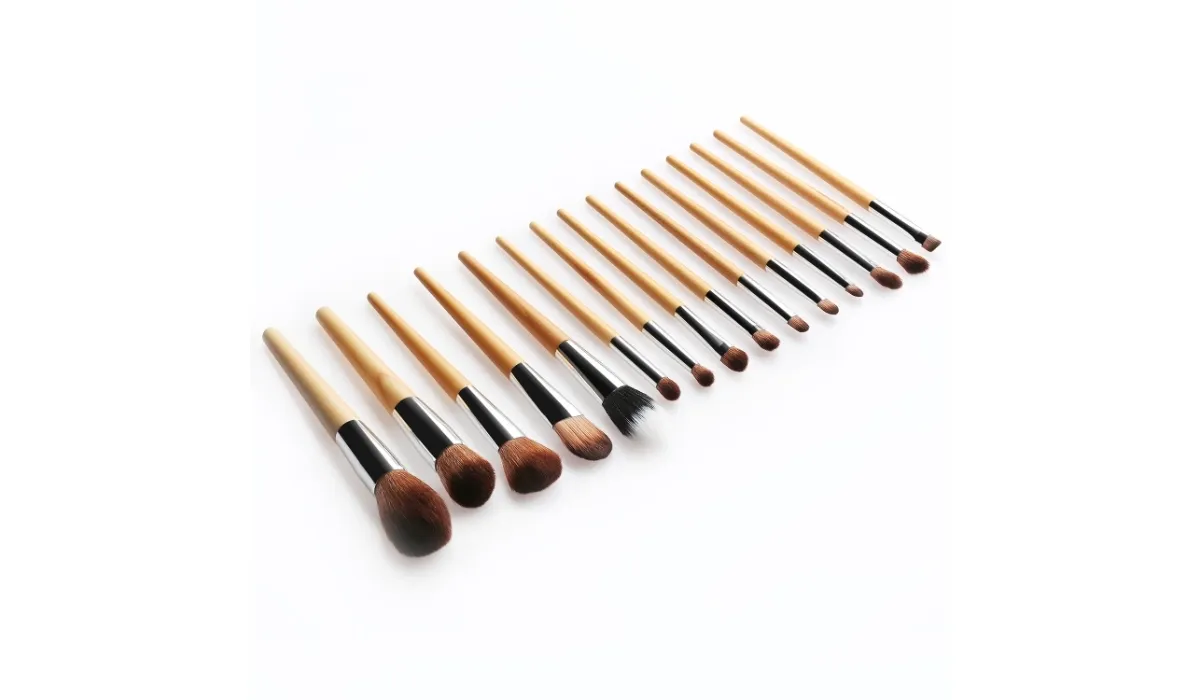
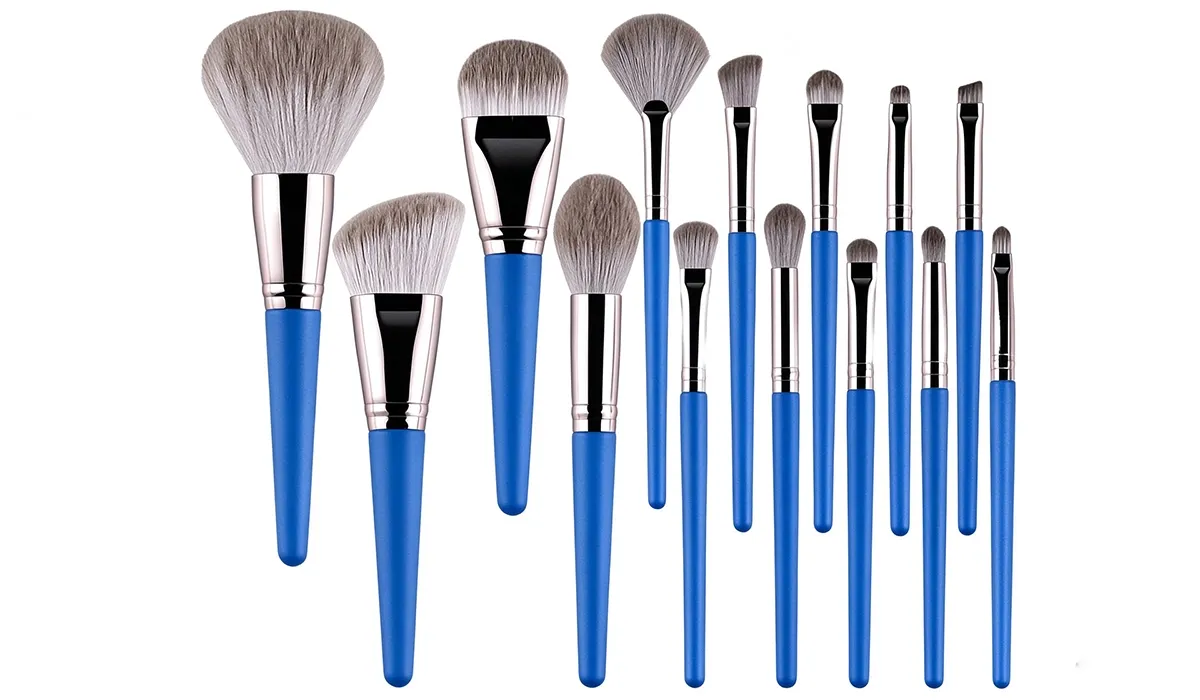
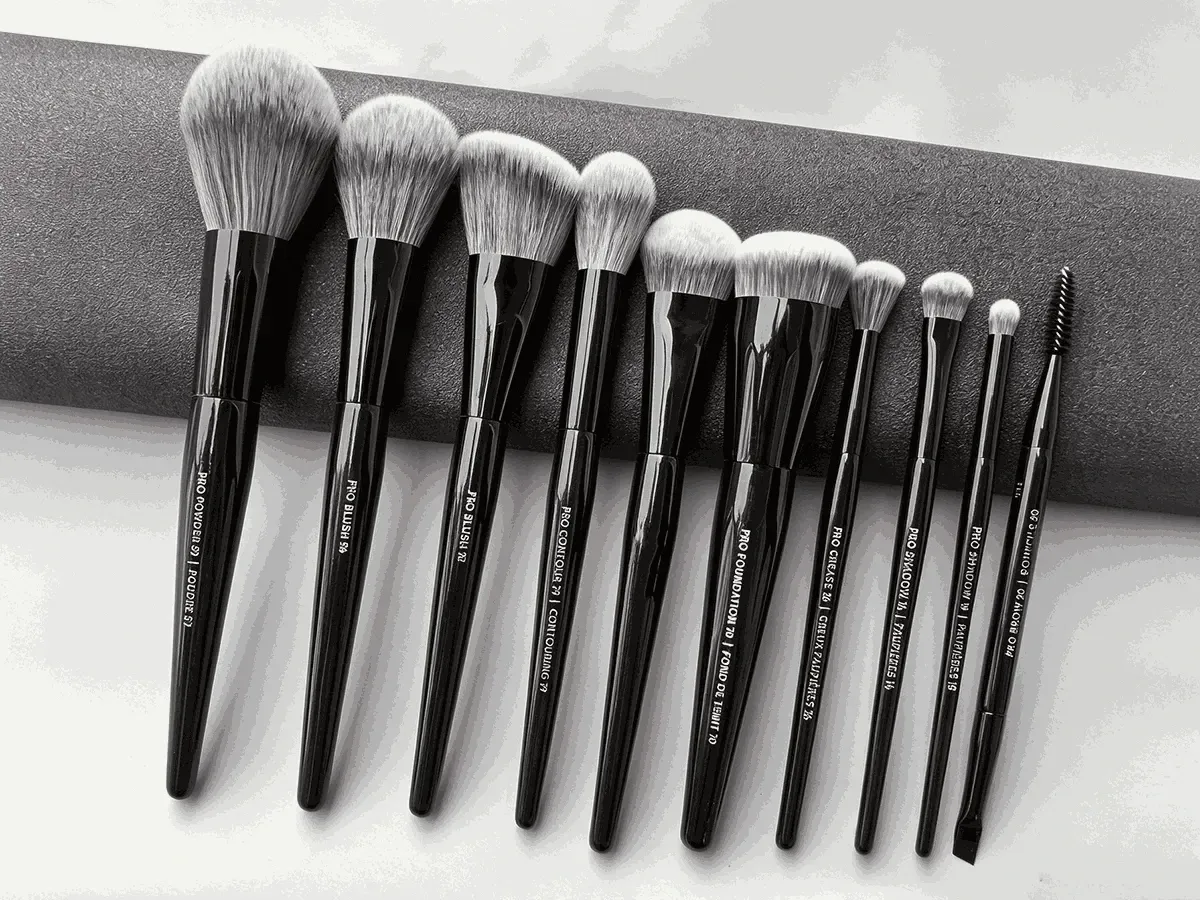
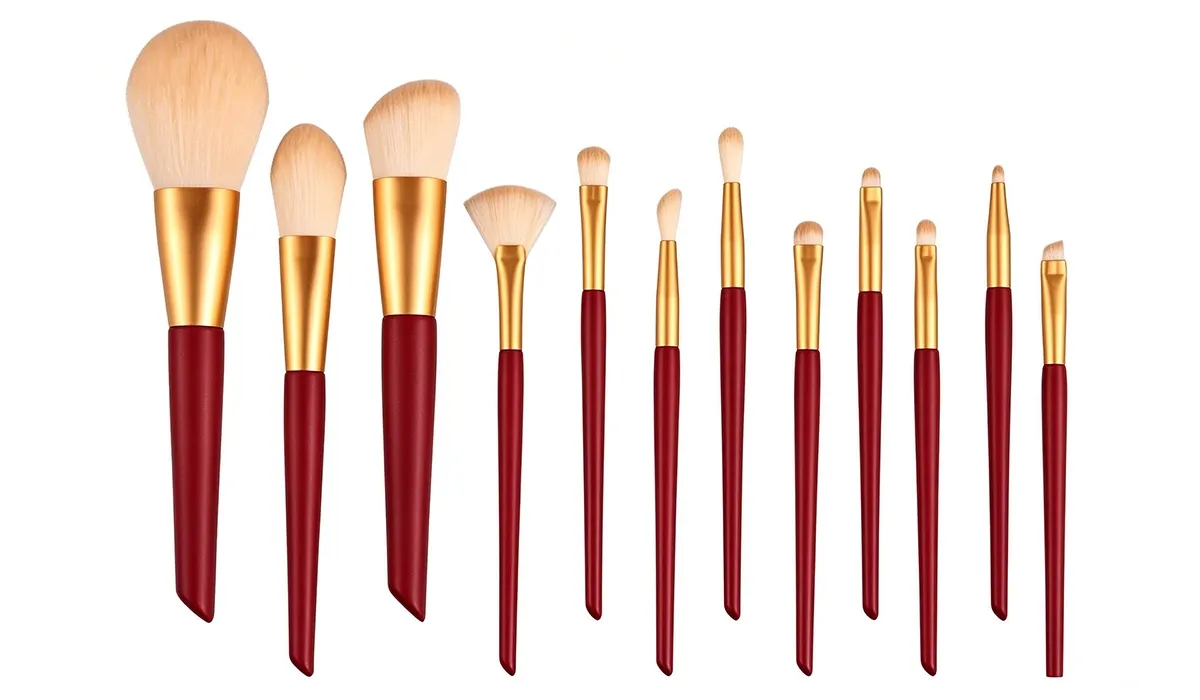
If you look at the "annual favorites" lists curated by beauty influencers, makeup brushes often account for nearly half the entries. For consumers, the makeup brush kit has evolved into a landscape where "every brush represents a distinct niche"—from crescent-shaped foundation brushes and sickle-shaped contour brushes to brushes designed specifically for the "lower eyelid" look—reflecting an increasingly granular specialization of brush shapes. In 2025, the Gross Merchandise Value (GMV) of products related to "makeup brushes" saw a year-on-year increase of 22%. Why have makeup brushes—once viewed merely as accessories to cosmetics—suddenly become a target for beauty brands, with so many rushing to incorporate them into their product lines? The answer lies in the combined forces of consumer demand, brand strategy, and supply chain dynamics.
1.Why do consumers need more makeup brushes?
The consumption of makeup brushes is undergoing a structural upgrade in demand—shifting from a basic need for "just having a brush to use" to a specialized requirement for "using the right brush for the specific makeup look." Research by Shangpu Consulting indicates that 67% of women aged 18–35 include daily makeup application in their routines; among them, 42% use makeup brushes every day—an increase of 11 percentage points compared to 2023.
Makeup brushes are evolving from "optional tools" into "daily essentials." With 42% of consumers using them daily, and another group using them 3–5 times a week, the total proportion of regular users reaches 70%. Analysts at Shangpu Consulting use an apt analogy to describe this usage habit: a sense of dependency akin to "feeling rusty if you don't use your hands for a day," where the brush becomes as integral to the daily routine as an electric toothbrush.
A direct consequence of this high-frequency usage is that makeup brushes take on the characteristics of consumables—bristles wear down and lose their shape, necessitating periodic replacement. Crucially, product categories with high usage frequency naturally command greater price tolerance. When brands raise prices by 10%, 41% of consumers continue to purchase, while only 25% switch to other brands, and 34% reduce their purchase frequency without abandoning the product entirely. This 41% "price hike tolerance" is rare in the beauty sector, signaling that makeup brushes have shifted in the consumer mindset from "discretionary items" to "must-haves."
2.Why did the beauty brand add makeup brushes to their product line?
While signals from the demand side are strong, demand does not automatically translate into a brand's supply decisions. The reason beauty brands are increasingly adding makeup brushes to their product lines runs deeper: makeup brushes have shifted from a peripheral, optional category to a strategic necessity in the competitive landscape of color cosmetics.
The competitive logic within the color cosmetics sector is evolving. Historically, the primary battleground for brands was shades and formulas; the brand that offered the best-fitting foundation or the most flattering lipstick would win a spot in the consumer's makeup bag. However, as the color cosmetics category reaches maturity and the scope for differentiating individual products narrows, brands are shifting their focus from the "makeup bag" to the "vanity table." The winner is now the brand that can provide a comprehensive makeup application solution, thereby securing a deeper foothold in the consumer's purchasing journey.
Innovation in formulas and shades is often constrained by factors such as raw material costs, manufacturing processes, and regulatory filing requirements. Developing a new foundation formula might require an R&D cycle of 12 to 18 months, while introducing a new shade necessitates stability testing and consumer research. In contrast, the scope for innovation in makeup brushes is far more flexible. From brush shapes and bristle blends to handle structures and connection mechanisms, every element offers opportunities for differentiation—and the marginal cost of making adjustments is significantly lower than that of formula innovation.
In the beauty industry, the mere mention of makeup sponges evokes Beauty Blender, while toothbrush-style brushes bring Artis Brush to mind. When a brand establishes a strong association with a specific tool category, it secures an irreplaceable position in the consumer's mind. In today's market, where color cosmetics products are increasingly commoditized, the value of such mental positioning is more precious than ever.
The Artis case warrants close examination. In 2014, Matthew Waitesmith—drawing on over three decades of experience in makeup artistry training—launched the high-end brush brand Artis. Thanks to its distinctive toothbrush-style design, the brand has sold over a million brushes since its inception. Artis’s success lies not in the specific material of its bristles, but in a design language that allows consumers to instantly recognize the brand—whether on a store shelf, in a blogger’s video, or on a vanity table. Beauty tools naturally possess higher visual distinctiveness than color cosmetics; a lipstick, no matter how unique its packaging, can easily get lost among a sea of lip glazes, whereas a uniquely shaped brush commands attention in any setting.
For a long time, makeup brushes existed in the business models of beauty brands merely as "free gifts"—an eyelash curler included with a mascara purchase, or a lip brush with a lipstick. These tools served as incentives to close a sale rather than as profit drivers. However, this logic is shifting.
The driving force behind this shift is a key insight: the replacement cycle for makeup brushes is far longer than that of color cosmetics. While a long replacement cycle might seem detrimental to repeat purchases, it fosters a different consumer behavior—a preference for "getting it right the first time" with a high-quality investment. Tarte’s performance on TikTok offers a case in point: its angled concealer brush, priced at $31.20, generated $2.048 million in sales over a 30-day period, with a repurchase rate far exceeding that of comparable all-purpose brushes. A high price point combined with precise, niche positioning transformed the brush from a disposable "freebie" into a standalone product capable of sustained profitability. This explains why an increasing number of brands are moving away from treating makeup brushes as mere "accessories to color cosmetics" and are instead planning and pricing them as independent product lines.
3.Does content marketing make selling makeup brushes easier?
Makeup brush sales face an inherent barrier: consumers cannot determine a brush's performance before purchasing it. Key variables that drive buying decisions—such as bristle elasticity, the uniformity of powder pickup, and how well the brush applies product to the skin—are nearly impossible to convey through traditional image-and-text e-commerce formats. Consumers are presented with only a static product image and a price tag, yet they are expected to make a purchase decision that relies heavily on "tactile feel" and "application results." For a long time, this barrier relegated makeup brushes to the status of mere "free gifts" or low-priced "add-on items" within beauty brands' sales ecosystems.
Short-form videos and live streams on TikTok and Instagram have fundamentally transformed the sales dynamics of this product category. These content platforms have not simply made makeup brushes "easier to sell"; rather, they have made it easier for consumers to evaluate them. Lowering the barrier to evaluation is the true driver behind increased sales efficiency.
The greatest fear in the makeup brush purchasing process is buying a product only to discover it is unsuitable. A brush that produces stunning results on an influencer's face might perform completely differently on a consumer's own face. This "compatibility anxiety" is the single biggest obstacle to makeup brush sales. Yet, the most effective content formats on TikTok and Instagram—specifically "before-and-after" comparisons and real-time demonstrations—directly alleviate this anxiety.
4.Chinese makeup brush suppliers have supported brands in expanding their makeup brush product lines.
A key reason why makeup brushes have become a category that beauty brands are racing to enter is the transformation of China’s makeup brush supply chain over the past three decades—evolving from mere "contract manufacturing workshops" into a comprehensive, end-to-end industrial infrastructure. Consequently, the barrier to entry for brands looking to launch makeup brush lines has been significantly lowered.
The makeup brush industry in Qingxian, Cangzhou, began in 1995 with the arrival of the first South Korean-funded brush manufacturer; at its peak, the region hosted 40 such companies producing goods for high-end international brands. This history left Qingxian with two vital assets: a set of high-standard production processes and a workforce of skilled industrial laborers. This accumulation of craftsmanship cannot be rapidly replicated by capital alone. Today, Qingxian is home to 253 brush manufacturers and over 1,000 supporting processing enterprises, employing 16,000 people. The total industrial output value is projected to reach 3.5 billion yuan by 2025, and the region produces more than 80% of the makeup brushes for the global high-end market. Over a dozen local companies serve as long-term contract manufacturers for more than 20 top international brands, including Estée Lauder and Chanel.
In 2023, Qingxian invested 440 million yuan to build a 60,000-square-meter beauty culture industrial park, offering integrated services—such as product design, bulk raw material procurement, supply chain finance, and logistics—that provide robust support to international beauty brands.
The maturation of flexible production capabilities has further reduced the cost of trial and error for brands. ODM suppliers have introduced flexible customization services, allowing for minimum order quantities (MOQs) as low as 500 sets; this enables brands to quickly produce samples to gauge market feedback before deciding whether to scale up production. For startups or established beauty brands testing the waters with a new category, an MOQ of 500 sets translates to minimal inventory pressure and a low financial threshold.
Zeming, a professional makeup brush supplier based in Cangzhou, offers OEM & ODM services for makeup brushes.